
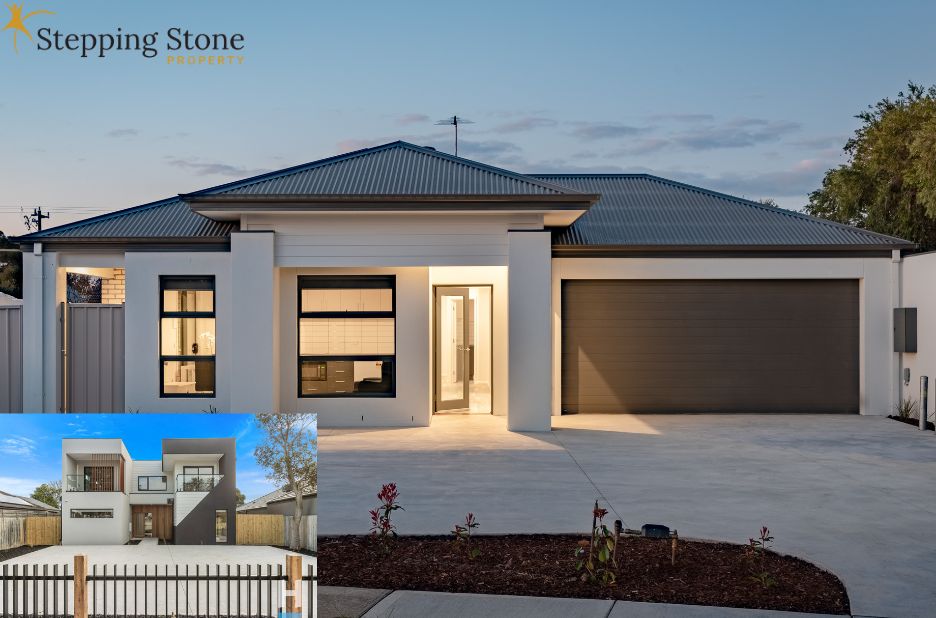
Understanding the Unique Appeal of Shared Living Spaces
The modern urban lifestyle has increasingly embraced shared living arrangements, especially in metropolitan areas where housing affordability remains a challenge. Shared accommodations provide an efficient solution by offering private rooms within a communal environment, fostering social connections class 1b rooming house while reducing individual living costs. Among these arrangements, the class 1b rooming house stands out as a regulated and lucrative option that meets the demands of tenants seeking affordable, flexible housing options.
Key Features and Compliance of Class 1b Rooming Houses
A class 1b rooming house is a residential property designed to accommodate six or more unrelated individuals, typically offering single rooms alongside shared facilities like kitchens and bathrooms. This classification requires adherence to specific building codes and health standards to ensure safety and habitability. Compliance co living property investment involves features such as adequate fire exits, proper ventilation, and soundproofing, which protect occupants and enhance long-term property value. Understanding these requirements is essential for investors aiming to operate within legal frameworks and maintain high-quality living environments.
Benefits of Investing in Co Living Properties
Co living property investment presents numerous advantages for those looking to diversify their real estate portfolio. These properties tend to generate higher rental yields compared to traditional single-family homes due to multiple tenants sharing a single dwelling. Additionally, the demand for co living spaces continues to grow among students, young professionals, and transient workers seeking community-oriented, affordable housing. Investing in this sector not only offers steady cash flow but also contributes to addressing urban housing shortages with innovative solutions.
Strategies for Maximising Returns in the Rooming House Market
Successful investment in class 1b rooming houses requires a strategic approach encompassing market research, property selection, and efficient management. Location is critical; properties near universities, business districts, and transport hubs attract consistent tenant demand. Tailored renovations that comply with regulations while enhancing comfort can improve tenant satisfaction and retention. Furthermore, engaging professional property managers familiar with co living dynamics ensures smooth operations, timely maintenance, and effective tenant screening to safeguard investment returns.
Conclusion
Exploring opportunities within the class 1b rooming house sector offers a promising path for investors seeking stable income and growth potential in the evolving real estate landscape. By focusing on compliant designs, strategic locations, and effective management, investors can capitalise on the rising demand for shared living spaces. For expert guidance and innovative property solutions tailored to Melbourne’s co living market, Stepping Stone Property provides invaluable support to help you maximise returns and secure long-term success.