Understanding Pterygium and Its Impact
Pterygium is a common eye condition characterized by a benign growth of the conjunctiva that extends onto the cornea. This growth is often shaped like a wedge and can cause discomfort, redness, and visual disturbances if left untreated. Typically, pterygium develops due to prolonged exposure to Eye Surgery Pterygium Removal ultraviolet (UV) light, wind, dust, and dry conditions. People living in sunny climates or working outdoors are more susceptible. While the growth is usually non-cancerous, it can interfere with vision by distorting the corneal surface or covering the pupil.
Symptoms and Diagnosis
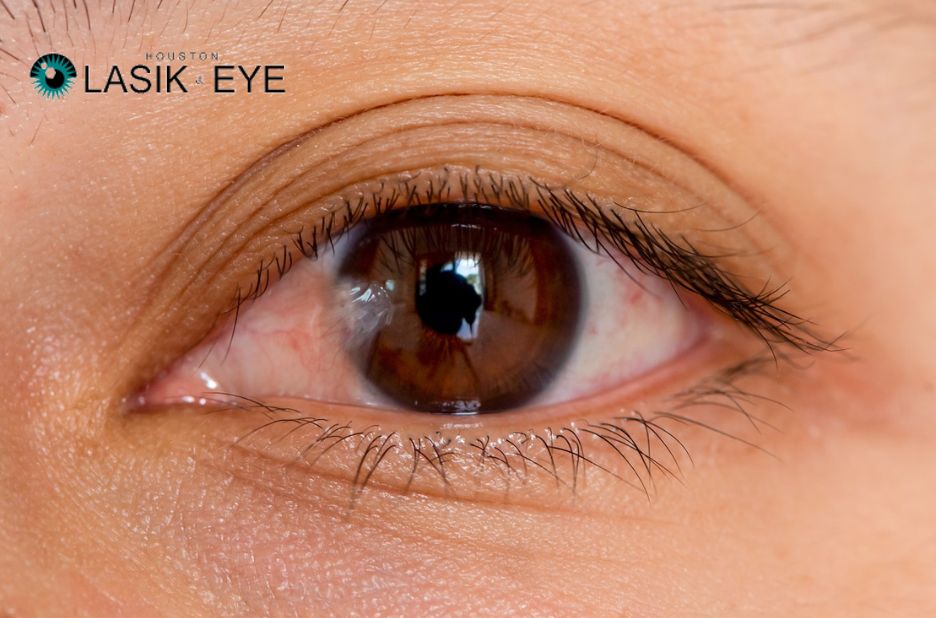
The symptoms of pterygium include eye redness, irritation, a feeling of dryness or grittiness, and in some cases, blurred vision. Patients may also notice a visible, raised, and often triangular tissue on the white part of the eye near Pterygium eyedrops the nose. Diagnosis involves a comprehensive eye examination by an ophthalmologist who evaluates the size, location, and extent of the growth. Early detection is important to prevent progression and potential vision impairment.
Non-Surgical Management Options
Before considering surgery, doctors often recommend conservative treatments to alleviate symptoms and slow the progression of the pterygium. These may include lubricating eye drops, artificial tears, and anti-inflammatory medications. Pterygium eyedrops, specifically formulated to reduce inflammation and discomfort, can be particularly beneficial. These drops help minimize redness and irritation, improving overall eye comfort. However, while these treatments manage symptoms, they do not remove the growth.
When Surgery Becomes Necessary
Surgical intervention is considered when the pterygium causes significant discomfort, affects vision, or continues to grow despite conservative treatments. Surgery is also recommended if the growth encroaches on the pupil or induces astigmatism, leading to visual impairment. The goal of surgery is to remove the pterygium and restore the normal anatomy of the eye surface. Deciding on surgery involves evaluating the patient’s symptoms, growth size, and overall eye health.
Types of Surgical Techniques
There are several surgical methods available for pterygium removal. The most common technique involves excision of the growth followed by a conjunctival autograft, where tissue from the patient’s own conjunctiva is transplanted to cover the affected area. This method reduces recurrence rates significantly compared to simple excision. Other advanced techniques may include the use of amniotic membrane transplants and adjunctive therapies such as mitomycin C to prevent regrowth. The choice of technique depends on the surgeon’s experience and the specifics of the case.
Postoperative Care and Recovery
After surgery, patients are typically prescribed a regimen of Pterygium eyedrops that include antibiotics and anti-inflammatory agents to promote healing and prevent infection. It is crucial to follow the post-surgical instructions carefully to ensure optimal recovery. Patients may experience mild discomfort, redness, or sensitivity initially, but these symptoms usually subside within a few weeks. Regular follow-up appointments are necessary to monitor healing and detect any signs of recurrence early.
Risks and Benefits of Surgery
While Eye Surgery Pterygium Removal is generally safe and effective, like all surgeries, it carries some risks such as infection, scarring, or recurrence of the pterygium. However, the benefits often outweigh these risks, especially when the growth significantly impairs vision or causes chronic discomfort. Successful surgery can improve visual clarity, reduce irritation, and enhance the cosmetic appearance of the eye. Discussing potential outcomes and concerns with an experienced surgeon helps patients make informed decisions.
Conclusion
If you are experiencing symptoms from a pterygium and considering treatment options, professional care is essential. Searching for a Houston eye surgery center for pterygium removal? Look no further than Pterygiumhouston.com. Their experienced surgeons provide expert care to help restore your vision through safe and effective Eye Surgery Pterygium Removal. Keep in touch with ouston Lasik & Eye for more information and personalized treatment plans tailored to your needs.