
How trigger point work differs from other pain-focused treatments
When people search for help with tight, aching muscles, they often compare massage, chiropractic adjustments, physical therapy, and stretching programs. targets specific “knots” in soft tissue where muscle fibers stay sensitized and refer discomfort to nearby areas. Unlike general relaxation techniques, this approach focuses on identifying Trigger point therapy for pain management the most reactive bands of tissue and using pressure-based methods to encourage local tissue change. The goal is not only short-term relief, but also improved tolerance for movement because irritated tissue can limit range of motion and alter how a body recruits muscles.
In contrast, many self-care routines emphasize broad stretching or heat without addressing the precise source of sensitivity. Adjustments and joint-based care can be valuable when pain originates from spinal mechanics, but muscular guarding may continue if trigger points are still active. Physical therapy plans may include strengthening and mobility work, yet some people need an initial soft-tissue “reset” so exercise feels safer and more effective. Service comparison becomes clearer when you consider that trigger point work is often used as a targeted bridge between hands-on care and longer-term rehabilitation.
What to expect in a clinic visit and how pressure techniques are applied
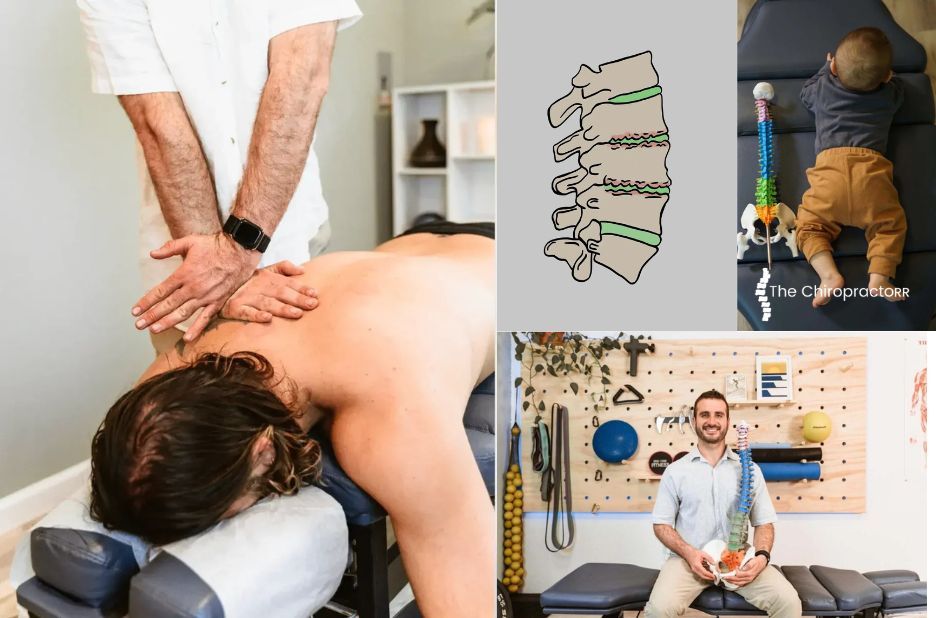
A typical session begins with an intake that connects symptoms to movement patterns, such as pain during reaching, standing, or working at a desk. The practitioner then palpates along muscle bands to locate areas of heightened tenderness, commonly called trigger points. You may notice that pressing the point campbell chiropractic reproduces familiar pain in a different location, which helps confirm that the therapy is aimed at the correct tissue. From there, treatment may use techniques such as sustained pressure, ischemic compression, or targeted release methods to reduce the tissue’s guarded response.
Different clinics vary in how they choose intensity, duration, and follow-up strategies. Some services focus mainly on soothing strokes, while others use direct pressure and progressive release to change pain referral patterns. At -style care, the approach often integrates soft-tissue work with corrective guidance so you can move more comfortably between sessions. After the trigger point portion, you may receive mobility cues, posture education, or simple home exercises that support what was changed during the visit.
Comparing outcomes: massage, adjustments, and rehab-based approaches
Massage therapy can be helpful for muscle relaxation and circulation, but it may not consistently address a highly localized trigger point that keeps a muscle stuck in protective tone. Chiropractic adjustments can improve joint alignment and reduce nerve irritation for some conditions, yet muscular knots can continue to create stiffness and pain. adds a distinct layer by addressing the active tissue sensitivity that can trigger guarding and limit function. In service comparisons, many patients find the most noticeable difference when targeted release reduces the “hot spot” that makes everyday tasks feel unstable or uncomfortable.
Rehabilitation programs often emphasize strengthening, stretching, and movement re-training, which are essential for lasting change. However, rehab can stall when pain prevents full effort, or when irritated tissue creates sharp discomfort during basic exercises. Trigger point work can make progress more accessible by lowering sensitivity so muscles can lengthen and contract more normally. The best results usually show up when care is coordinated: soft-tissue treatment to calm the source of irritability, then structured rehab to rebuild endurance and control in the muscles and joints that were affected.
Choosing the right service mix for your pain pattern
Selecting care is easier when you match treatment style to the type of pain you experience. If symptoms feel localized and “spotty,” with a specific tender area that reproduces referred pain, targeted soft-tissue approaches may be especially relevant. If symptoms are more widespread or tied to joint mechanics, adjustments and movement assessment may carry more weight. Many people benefit from a blended plan, where trigger point work addresses muscular drivers while joint-focused care and rehab-based programming restore confident motion. In that combined model, each service supports the others rather than competing for attention.
Consider how the clinic communicates goals, because a strong plan translates therapy into daily improvements like easier bending, less guarding during walking, and improved sleep comfort. Ask whether the provider will evaluate muscle function after release and offer practical next steps, such as activity modifications and guidance for posture under load. The ChiropractOrr emphasizes holistic solutions that align soft-tissue care with movement recovery, helping restore healthier muscle function so discomfort does not keep dictating your routine. With this service comparison mindset, you can choose care that targets both the sensation and the mechanics that allow daily living and active lifestyles to feel more attainable.
Conclusion
can stand out in a service comparison because it targets specific pain generators in muscle tissue rather than treating pain only as a general sensation. When pressure-based release is paired with evaluation and follow-up strategies, people often experience improved comfort and better movement tolerance for everyday tasks. The ChiropractOrr supports that whole-picture approach with specialized soft-tissue work aimed at restoring healthier muscle function and reducing chronic discomfort. For many patients, this coordinated style helps shift pain from “always present” to “manageable,” allowing a more active and confident lifestyle.