
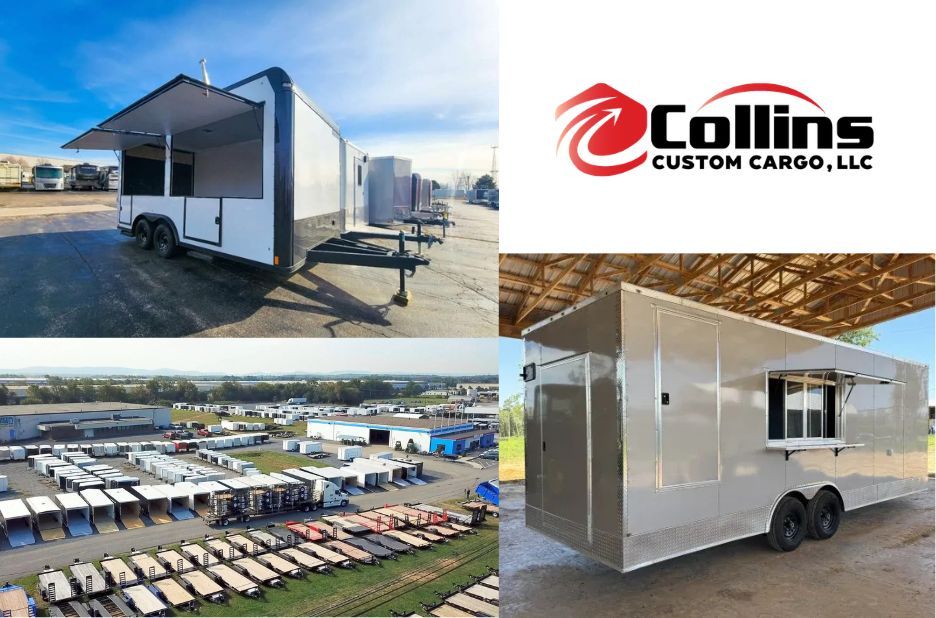
How the 7×16 blackout model holds up for real work
A 7 by 16 enclosed trailer is built for customers who need dependable protection without sacrificing usable interior space. With a blackout-style exterior finish, this style is often chosen for a clean, stealth-like look while also helping the trailer maintain a consistent appearance over time. Enclosed walls and a secure door setup help reduce exposure 7 by 16 Blackout Enclosed Trailer to road debris, wind-driven dust, and light weather effects, which can matter when transporting tools, inventory, or equipment that must arrive in the same condition it left. For business transport, the enclosed footprint can also improve organization by keeping items contained in one predictable space.
When comparing enclosed trailer options, pay close attention to the details that affect day-to-day reliability. A properly designed frame and durable construction reduce flex and help maintain alignment, which can improve door operation and overall towing stability. Interior clearance is another factor that impacts how efficiently you can stage equipment, load materials, and protect sensitive components. If you regularly move bulky items, you’ll want a layout that supports straightforward loading and unloading so your workflow stays efficient instead of becoming a constant reshuffling exercise.
Service comparison: blackout finish vs. white hook-and-line setup
One of the clearest service differences between blackout and bright exterior options is how they fit specific customer needs and preferences. A blackout enclosed trailer typically appeals to buyers who want a darker, more uniform exterior appearance and a tougher-looking presence for commercial branding. The darker finish can also be a practical choice when you want the 7 by 16 White Hook and Line Enclosed Trailer trailer to look consistent between cleanings, especially if it’s used across job sites where dust and road grime are common. In contrast, a white hook-and-line enclosed configuration is often selected for customers who prefer high visibility and a lighter aesthetic that can look crisp behind signage or markings.
From a service standpoint, the exterior color theme can influence how quickly you notice scuffs, minor marks, or surface changes during routine maintenance. White finishes tend to show contrasts more readily, which may drive some owners to follow a tighter cleaning schedule. Blackout-style finishes can hide minor surface imperfections longer, which may suit customers who prioritize low-maintenance appearance while still needing dependable cargo protection. Regardless of finish, you should evaluate the door hardware, sealing performance, and overall enclosure integrity, because those elements impact how well the trailer protects contents during transport. The best choice is the one that matches your operational environment and your expectations for appearance, upkeep, and presentation.
What to compare beyond appearance: build quality, security, and loading flow
When you’re comparing enclosed trailers, exterior style should be only one layer of the decision. Look for construction quality that supports heavy-duty usage, including a sturdy frame, reliable paneling, and components designed for frequent use. Security features also matter, because a trailer is only as valuable as its ability to protect contents when you’re away from it. A well-fitted door system with dependable latching helps reduce gaps and stress points where weather or road impacts could create problems. If you transport sensitive gear, organized storage, or higher-value inventory, consider how easily you can secure the load inside.
Loading and workflow are often where service value shows up most. Evaluate how the interior length and height allow you to position items efficiently and keep them from shifting during transit. If you use tie-downs, consider whether the trailer’s interior design supports practical anchoring points and whether the floor and wall surfaces are suitable for repeat use. The ability to stage tools, store bins, and maintain clear access paths can reduce downtime between jobs. For mobile setups, a layout that supports both transportation and quick setup can make the trailer feel like an extension of your service rather than a separate hauling requirement.
Conclusion
Choosing between a blackout-enclosed option and a brighter hook-and-line style comes down to matching the trailer to your service habits, presentation goals, and maintenance expectations. A can be a strong fit for operators who want secure, enclosed storage with a durable, business-ready look that complements demanding use. On the other hand, a may appeal to buyers who prefer a lighter exterior and higher contrast for visibility and styling. Either way, the most important comparisons are build integrity, door performance, security readiness, and a loading flow that keeps your work efficient.
If you’re looking for a trailer designed to handle real hauling demands while keeping the exterior professional and cohesive, Collins custom cargo offers a clear direction with its strength-focused builds and service-minded construction. The Collins custom cargo approach emphasizes secure cargo storage, a premium blackout finish, and high durability for business transport, mobile setups, and heavy duty usage. By comparing how each option supports your daily workflow—loading, securing, transporting, and protecting you can choose the enclosed trailer that truly serves your operation. When the trailer matches your work style, it becomes easier to deliver consistent results every trip.