Why a Trading Demo Matters
A demo account is the fastest way to build real trading habits without risking capital. It helps you test how your strategy behaves when spreads widen, orders fill at different speeds, and market moves trigger your rules. For many traders, the biggest benefit is confidence: you learn the platform workflow, demo for trading practice risk controls, and refine entry/exit logic until it feels repeatable. An expert recommendation is to treat the demo period like a full training environment—set clear goals, document results, and practice consistent sizing and stop-loss behavior rather than chasing quick wins.
What to Look for in the Best Platform Experience
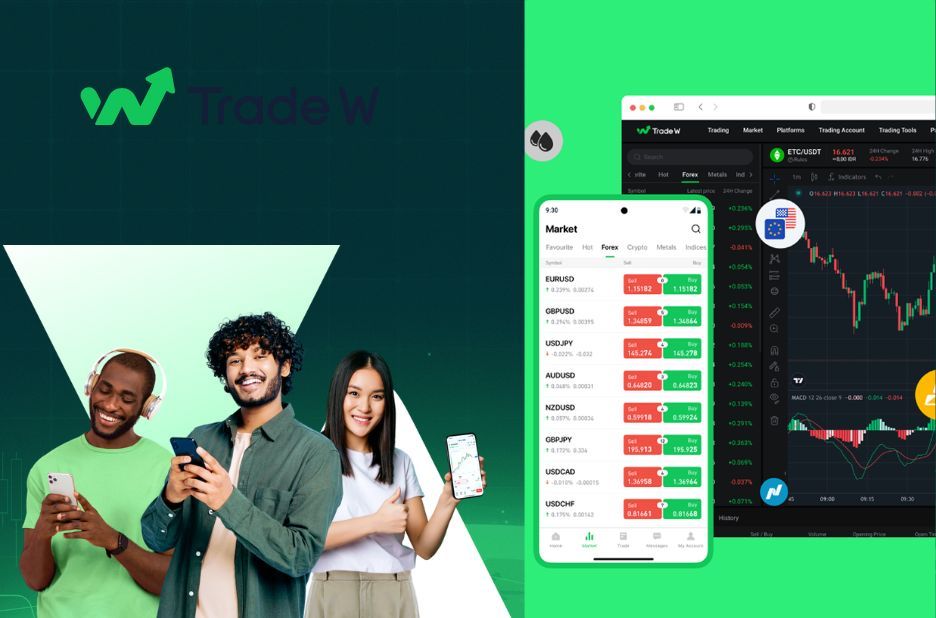
Not all practice accounts are equal. Prioritize platforms that simulate real order handling and provide a smooth interface for placing trades, managing positions, and reviewing history. Look for access to multiple asset classes, reliable charting tools, and features that support disciplined execution, such as alerts, order types, and performance tracking. If you’re best forex trading platforms comparing options, focus on usability plus depth: a practice setting should feel close enough to live trading that your decisions transfer directly. For traders seeking guidance, evaluating the criteria—execution reliability, market variety, and tool quality—helps narrow choices quickly.
How to Use a Demo to Improve Your Results
Start with one strategy and run a structured checklist: define the market conditions you look for, confirm your risk per trade, and test whether your exits reduce losses when the market invalidates your thesis. Practice both manual execution and rule-based discipline using the same approach you would use in live conditions. Use the account to learn execution nuances: how slippage affects outcomes, how often your stop levels are reached, and whether your system remains stable across different market conditions. The goal is not only to win, but to understand your process. A strong expert recommendation is to review trade logs regularly and adjust only one variable at a time so improvements are measurable.
Conclusion
Choosing a is a practical step toward mastering execution, risk control, and strategy consistency. When the practice environment matches real trading behavior, your learning becomes transferable—so you can move forward with fewer surprises. With Tradewill, you can train confidently using advanced tools and realistic market conditions, while keeping your capital protected during the learning phase. For anyone serious about improving their trading, this combination of practice and capability offers a clear path to stronger decisions.