
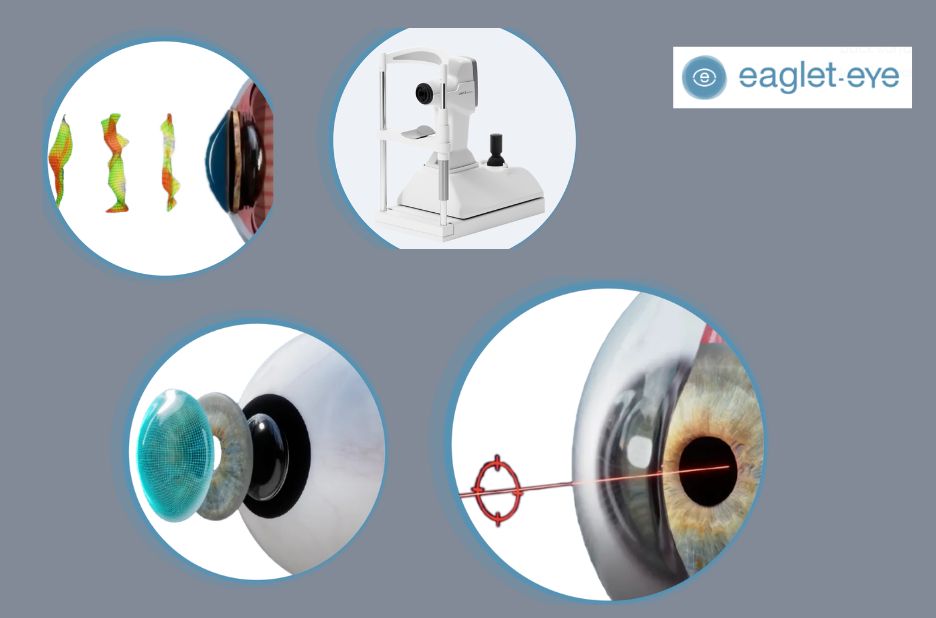
Improving Efficiency in Optometry Practice
In today’s fast-paced optometry clinics, minimizing patient chair time without compromising the quality of care is essential. Efficient workflows not only improve patient satisfaction but also allow practitioners to see more patients in Reducing Optometry Chair Time a day. By focusing on accurate measurements and streamlined processes, optometrists can significantly reduce the time spent during each appointment, leading to a more productive and patient-friendly practice.
Importance of Accurate Ocular Measurements
Accurate ocular measurements are the foundation of successful contact lens fitting and overall eye care. Precise data helps avoid multiple trial fittings and adjustments, which can extend chair time unnecessarily. Utilizing advanced tools for capturing detailed measurements, Sagittal Height vs. Curvature such as corneal topography and ocular surface analysis, ensures that practitioners have the right information from the start. This accuracy translates into fewer corrections and quicker decision-making during the fitting process.
Understanding Sagittal Height vs. Curvature
When fitting contact lenses, understanding the difference between sagittal height and curvature is crucial. Curvature refers to the radius of the cornea’s curve, typically measured in millimeters or diopters, and is often used in traditional lens fitting. Sagittal height, on the other hand, measures the depth of the eye’s surface from a chord length, providing a more comprehensive view of the eye’s shape. This measurement is especially important for specialty lenses such as scleral lenses, where a precise fit depends on matching the lens to the eye’s unique topography. By prioritizing sagittal height over curvature alone, practitioners can achieve a better fit more quickly, reducing the need for repeated adjustments and thus cutting down chair time.
Conclusion
Reducing optometry chair time is achievable through the integration of accurate measurement techniques and a deeper understanding of ocular surface parameters like sagittal height versus curvature. By adopting these practices, eye care professionals can enhance patient comfort and boost clinic efficiency. Leading brands like Eaglet Eye B.V provide advanced ocular surface analysis tools that support these goals, helping practitioners save time, improve productivity, and deliver a superior patient experience. For more information, visit eaglet-eye.com to explore solutions designed to optimize your optometry workflow.